4-7-8 breathing technique
4-7-8 breathing app for iPhone and Apple Watch.
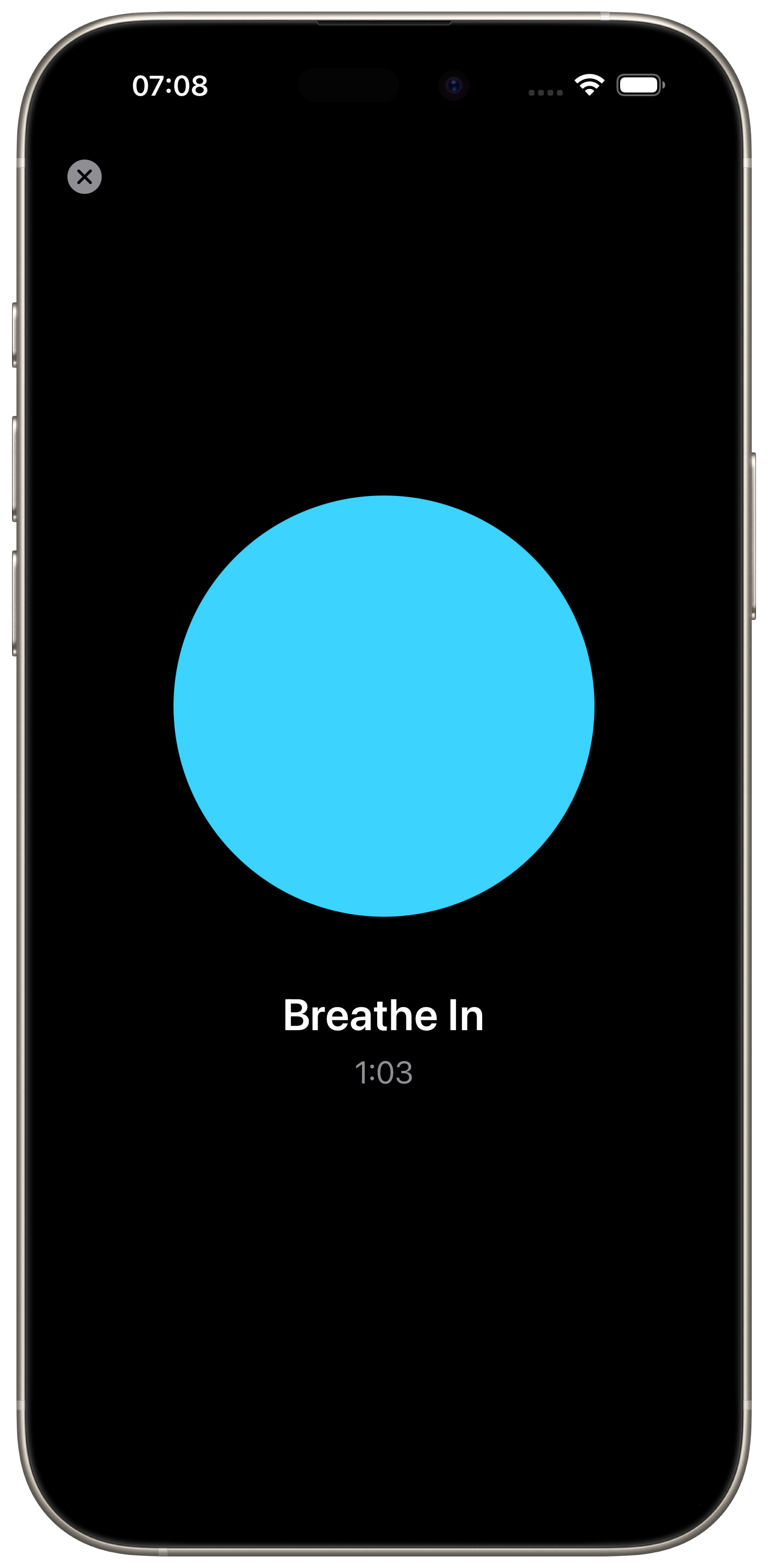
4-7-8 breathing is simple: breathe in for 4 seconds, hold for 7 seconds, and breathe out for 8 seconds.
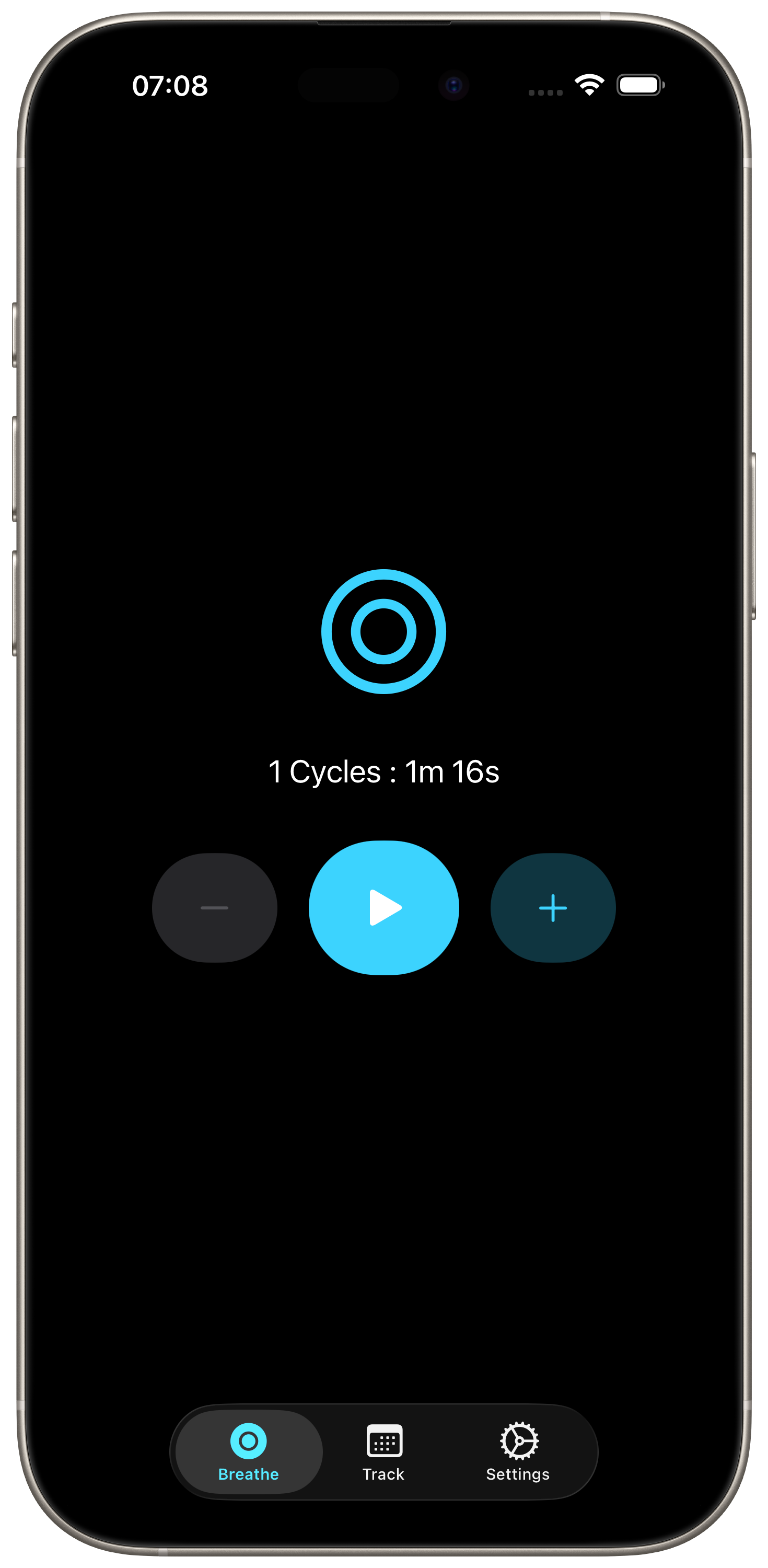
478 Reset gives you a clean guided timer with reminders, voice prompts, haptics, ambient sound, progress history, and offline use.
- 4-7-8 timer
- Reminders
- Voice and haptics
- Apple Watch
4-7-8 breathing guide
What is 4-7-8 breathing?
4-7-8 breathing is a paced breathing technique. You inhale for 4 seconds, hold for 7 seconds, and exhale for 8 seconds.
The count gives your attention one simple task. The longer exhale helps the exercise feel slower, steadier, and easier to repeat before sleep or during a stressful moment.
4-7-8 breathing benefits
People use 4-7-8 breathing for sleep routines, stress resets, anxious moments, and quiet breaks. The main benefit is structure: the app gives you a clear pace so you do not have to count in your head.
Is 4-7-8 breathing dangerous?
Relaxation breathing is generally considered safe for healthy people. Stop if you feel dizzy, short of breath, or uncomfortable. If you have a medical condition or persistent symptoms, speak with a qualified health professional.
4-7-8 breathing iOS app
A simpler way to practise the 4-7-8 breathing method for sleep.
Guided timer
Clear inhale, hold, and exhale cues for the 4-7-8 breathing technique.
Reminders
Set breathing reminders so the habit does not depend on memory.
Eyes-closed cues
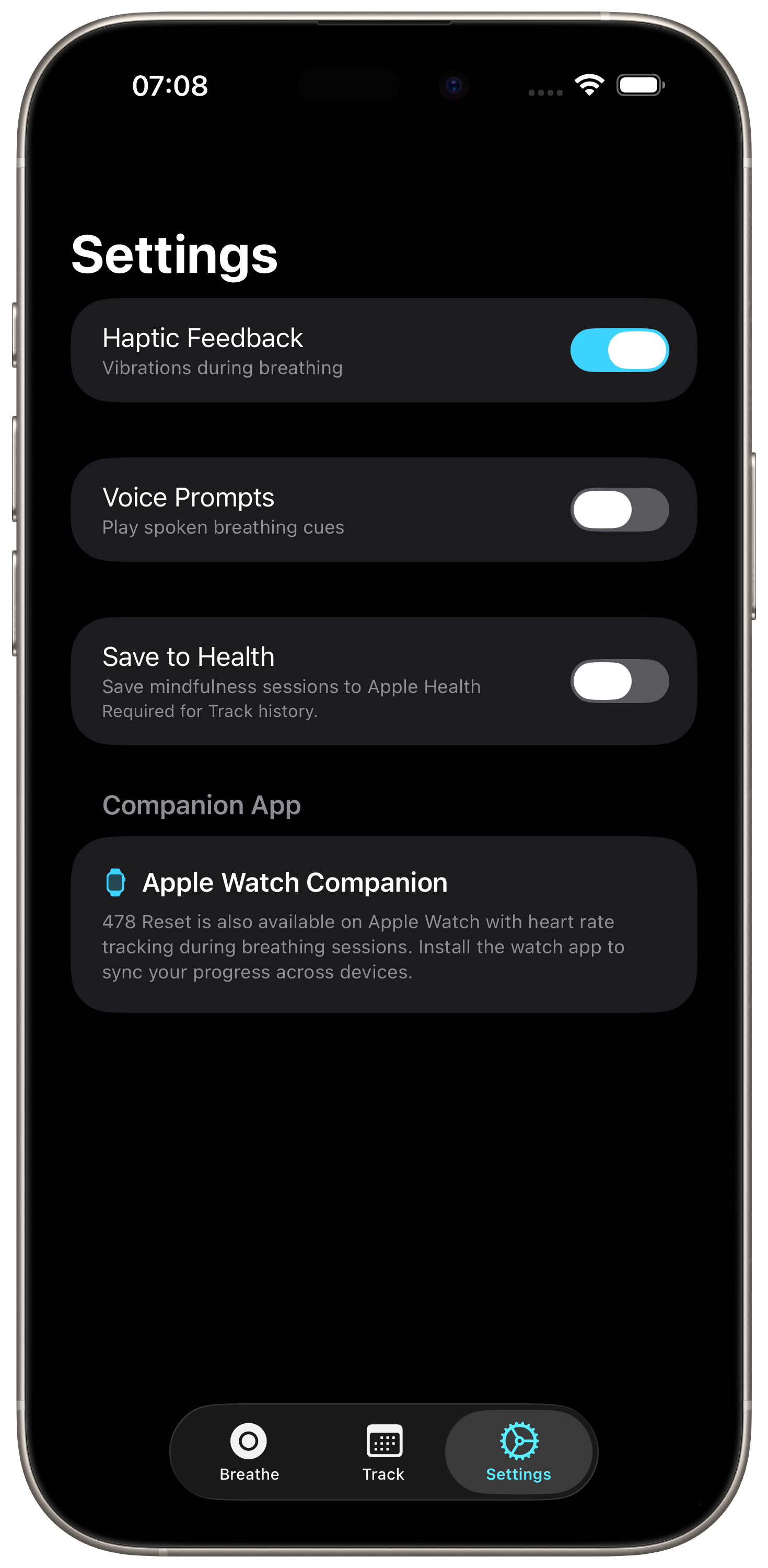
Use voice prompts, haptics, and ambient sounds when you do not want to stare at a screen.
iPhone and Apple Watch
Run sessions on iPhone, iPad, or Apple Watch, with progress history and offline use.
478 Reset
Download the 4-7-8 breathing app.
Built for a short, quiet breathing routine without courses, clutter, or pressure.